
The opportunity
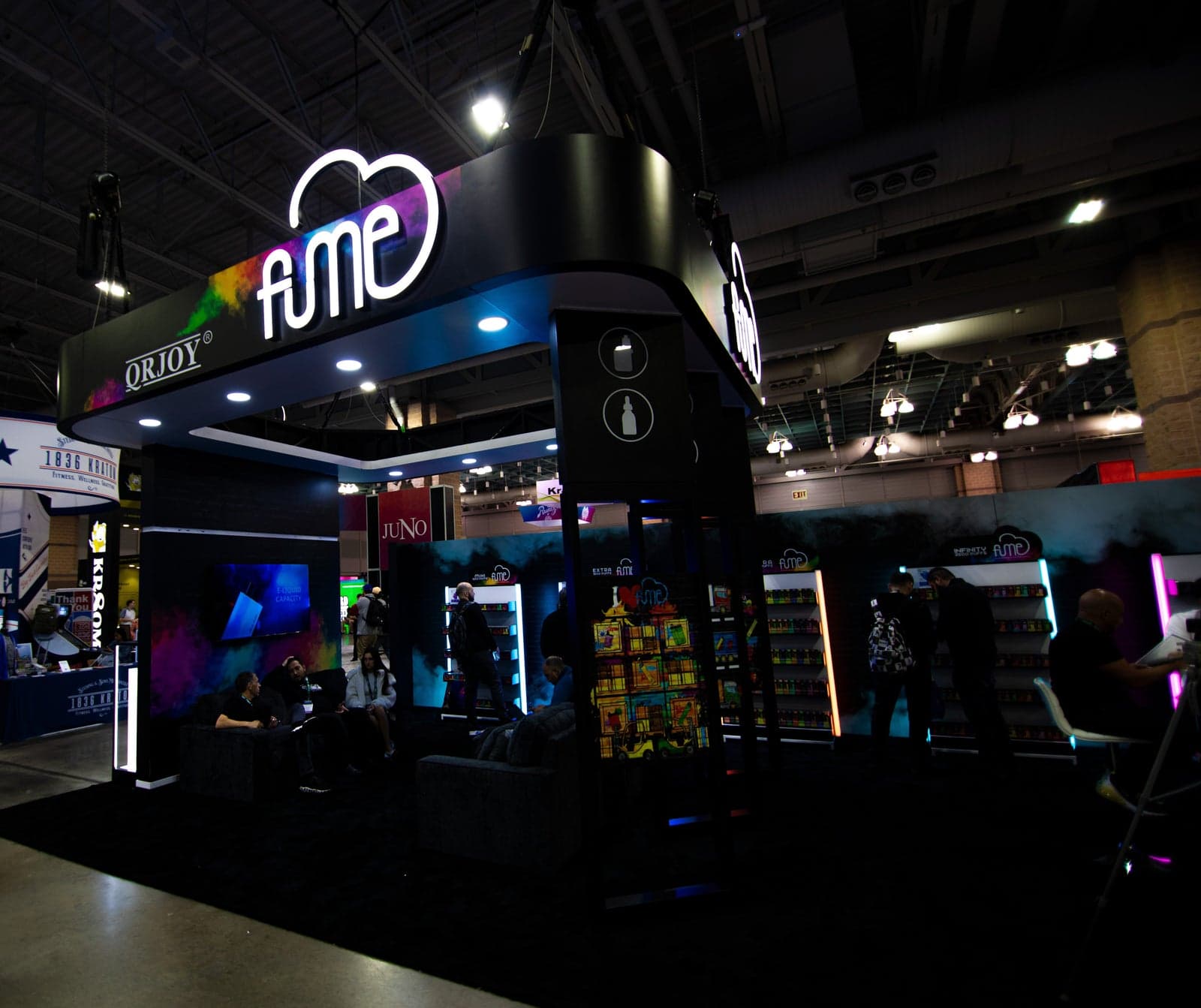
QRJOY Wholesale distributes vaping products and accessories across retail outlets, warehouses, and an online store. Product was moving. The stack was not.
POS lived in one place. The website and ecommerce lived in another. Accounting sat in QuickBooks. CRM was spreadsheets. HR and marketing ran as their own islands. Growth made that fragmentation expensive: inventory discrepancies, slow closes, fulfillment lag, and no single view of the customer.
None of that is unusual for a wholesale operation that outgrew its tools. It is also exactly the kind of problem we build for, because every disconnected system is a place where truth, speed, and revenue get lost.
Before
- Disconnected POS, web, and ecommerce
- QuickBooks and spreadsheet CRM
- HR and marketing in isolation
- Inventory truth lagging reality
After
- One centralized operating record
- Accounting inside the same spine
- CRM, HR, and marketing linked to sales
- 98% inventory accuracy, live dashboards
The spine: a custom agentic AI ERP
The first and most important build was our own.
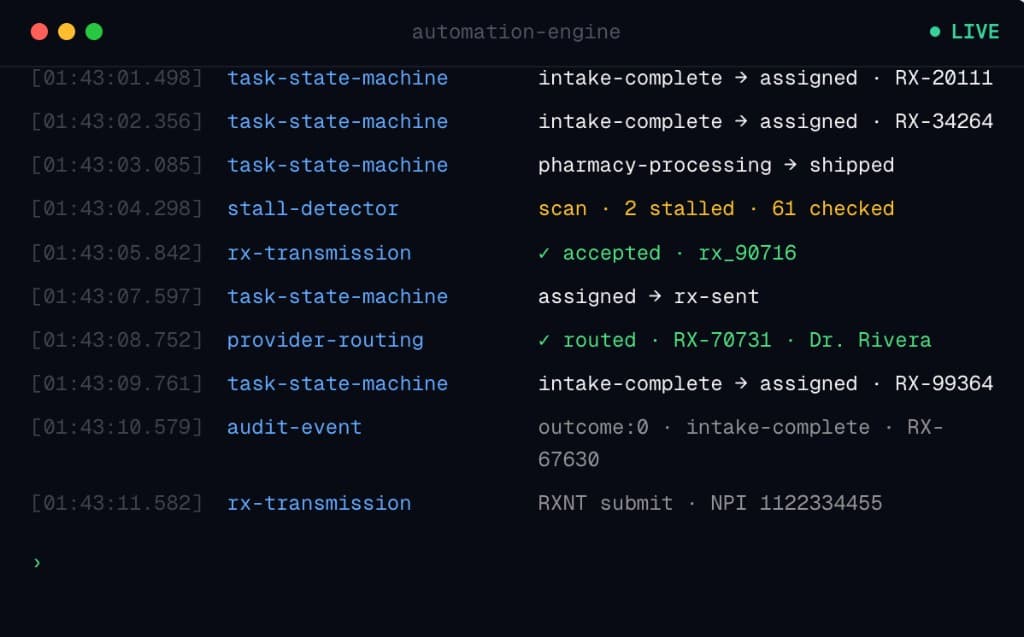
Rather than leave QRJOY juggling six partial truths, we deployed our custom agentic AI ERP and shaped it around how the wholesale operation actually ran. Point of sale, website and ecommerce, accounting, CRM, HR, and marketing came into one centralized system.
The agentic layer is what made it more than a database. Instead of teams manually reconciling what the warehouse said against what the storefront, POS, and books said, the system kept those records true to each other continuously and surfaced what needed a human decision. Stock, orders, customers, and cash became one live picture instead of six lagging ones.
This is the least visible work in the entire project and the most structurally important, because everything downstream depends on it. You cannot close the books cleanly against bad inventory. You cannot run CRM or marketing against a customer record that only exists in one channel. Getting this right first is what made every other result possible.
You cannot close the books cleanly against bad inventory. Getting this right first is what made every other result possible.
QuickBooks to ERP: accounting that could keep up
One of the critical pillars was migrating years of QuickBooks financial data into the ERP without stopping daily operations.
We mapped and cleaned the data before import, brought historical transactions, balances, and invoices across, automated accounts payable and receivable sync, built financial dashboards around QRJOY's key metrics, and trained the finance team on the new workflows.
The close stopped being a multi-week scramble. Reports became automated. The finance team could see the same operational truth the warehouse and sales teams were already living in. As QRJOY's CFO put it: "The migration from QuickBooks was smoother than we imagined. Our reports are now automated and far more insightful."
Inventory and warehouse: real-time control
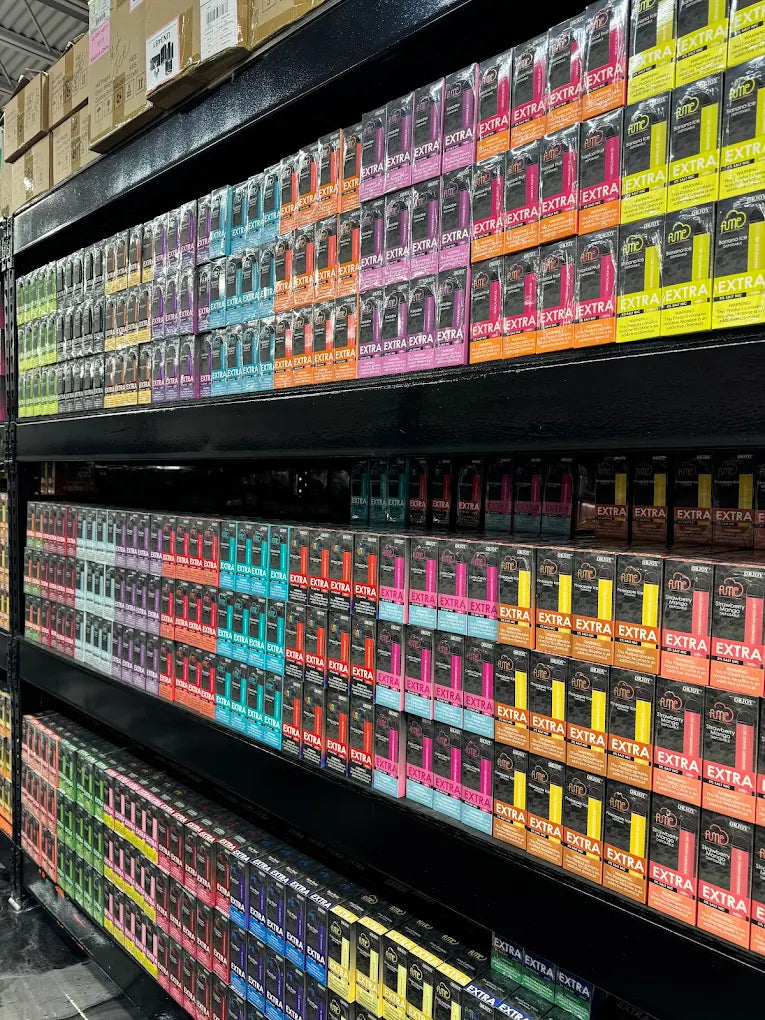
QRJOY's multiple warehouses and retail outlets needed one stock truth, not weekly reconciliation theater.
We put real-time inventory tracking across all locations, barcode scanning with automated stock adjustments, procurement workflows linked to sales and inventory levels, and returns plus replenishment automation into the same system.
That produced 98% inventory accuracy, a 50% cut in manual reconciliation time, and live visibility into stock movement and availability. When the warehouse record is true, fulfillment, purchasing, and accounting stop arguing with each other.
POS, CRM, and ecommerce: one customer picture
Retail POS had been operating in isolation from online sales and CRM data. We closed that gap.
All retail outlets synced to the central ERP. Real-time sales data linked to inventory. Checkout and returns got simpler because the stock record was already shared. CRM captured leads from website and retail interactions, ran automated pipelines and task assignments, and segmented customers for follow-up. Ecommerce synced inventory and sales with a unified customer database across online and offline channels, so order management ran from checkout to fulfillment on one spine. QRJOY's Sales Director summarized it: "Having POS, CRM, and ecommerce all in one place changed how we operate. We finally have a 360-degree view of our customers."
HR and marketing on the same platform
Beyond sales and inventory, QRJOY centralized HR and marketing inside the same system.
HR covered onboarding and employee records, attendance and leave, payroll processing and compliance tracking. Marketing ran campaign creation and tracking with CRM-linked outreach and performance analytics tied to sales data.
That gave the business simpler HR administration, measurable campaign ROI, and coordination across departments that used to operate as separate calendars.
What it produced
Inventory accuracy moved from 80% to 98%. Monthly financial close dropped from 12+ days to 4 days. Order fulfillment improved from 72 hours to 24 hours. Customer retention rose from 65% to 78%. Marketing campaign ROI went from untracked to about 4:1. Operational visibility went from fragmented tools to real-time dashboards.
Worth being precise about those numbers. Inventory, accounting migration, POS and CRM sync, ecommerce, HR, and marketing all sat on the same engagement. Isolating any single module cleanly would overclaim what the instrumentation of the time could prove. The honest read is multi-input: the ERP was the spine, and every function rode the same machine. What matters is the operating picture the machine produced.