
The opportunity
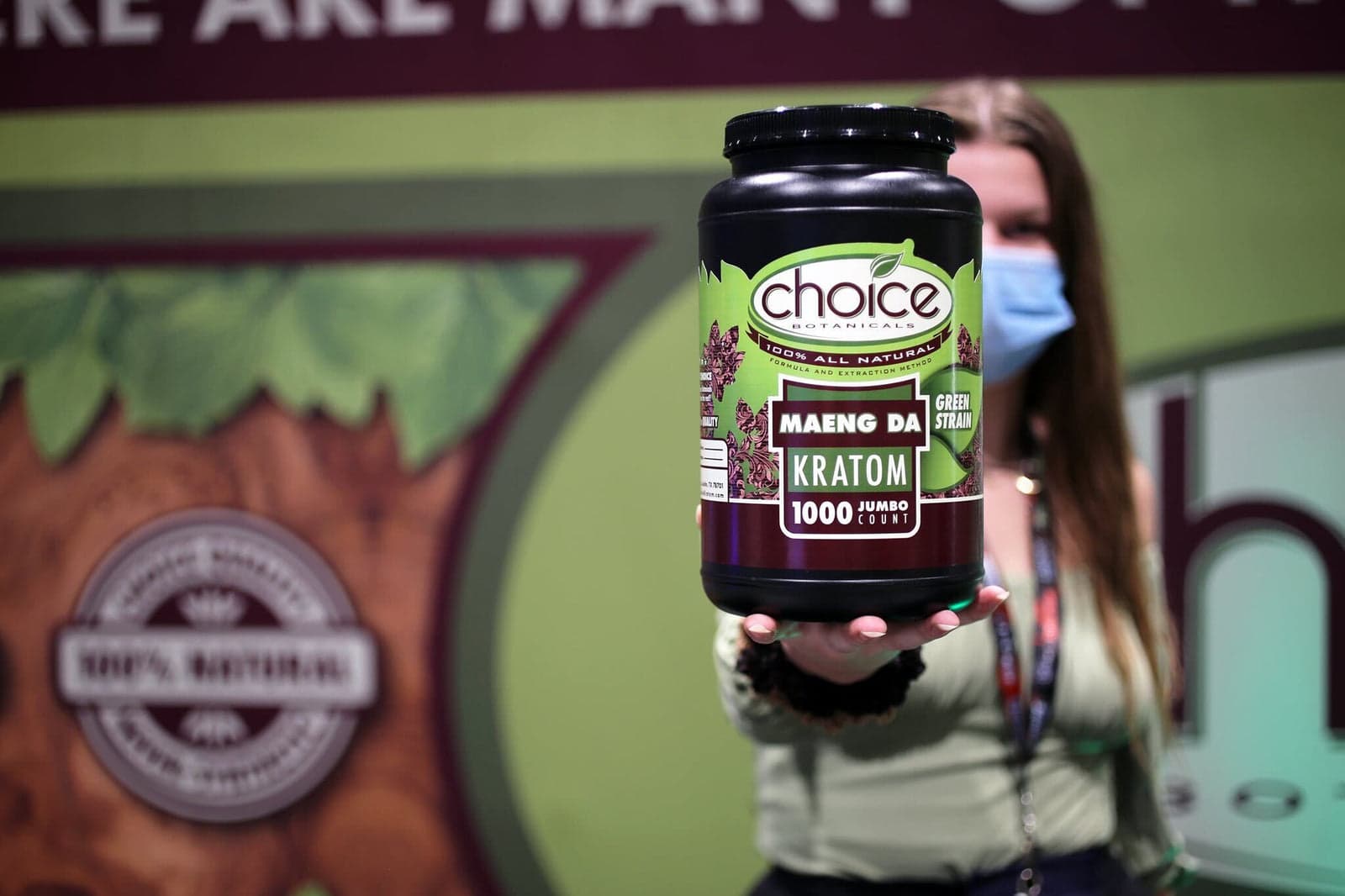
Choice Kratom sells into a competitive botanical ecommerce category where commercial intent is loud and SERP competition is real. Demand for terms like buy kratom and kratom capsules already existed. What the business needed was a site and search system that could capture that demand without treating SEO, web, and brand as three separate retainers.
Organic visibility was the constraint. Pages were thin relative to what commercial queries reward. Internal link equity did not flow on purpose toward the URLs that could actually convert. Technical performance and UI/UX sat behind the brand promise instead of carrying it. Wholesale, a high-value surface, was not built like a ranking and conversion asset.
That is a systems problem. Web development, SEO, and branding had to move on the same spine.
Before
- Thin pages against commercial SERPs
- Internal links without an equity plan
- Wholesale as a brochure surface
- Brand and speed behind the promise
After
- Intent-aligned depth on key URLs
- Architecture routing equity on purpose
- Wholesale rebuilt as a commercial asset
- UI/UX, Lighthouse, and SOPs in sync
Search as commercial infrastructure
We treated SEO as go-to-market engineering for a single commercial property, not as a monthly report.
Keyword research and competitive analysis defined where Choice Kratom could win now versus where authority still needed to be earned. High-intent commercial clusters, including buy kratom and kratom capsules, sat at the center of the map. Content, on-page systems, and link building ran as a continuous loop: target, publish, earn, measure, prune.
Monitoring was part of the work, not a slide at the end. Rankings, organic traffic, and on-page health were read against the same question: is discovery compounding into visits the business can trust?
Keyword strategy without vanity volume
Commercial categories punish ego targeting. Chasing every high-volume kratom variant without a path to rank burns content budget and dilutes equity.
The strategy prioritized intent fit and achievability over raw vanity volume. Competitive analysis showed which commercial and mid-funnel terms the domain could realistically contest. Content and page roles were assigned from that map: which URLs own which clusters, which pages support them, and which terms wait until authority catches up.
We do not invent a volume table here. The point of the strategy was the filter: commercial intent first, competitive reality second, then architecture and content that match both. Volume without a path to rank is noise.
Volume without a path to rank is noise. Commercial intent first, competitive reality second, then architecture that matches both.
Architecture and internal link flow
One of the highest-leverage SEO moves on an ecommerce site is deciding how authority moves between pages.
We rebuilt website architecture so internal links routed equity toward high-traffic and high-intent commercial pages on purpose. Navigation, related content, and supporting URLs were treated as a flow system, not as decorative chrome. An internal linking analysis identified sinks and orphans. High-value pages stopped competing alone.
The wholesale page was rebuilt as part of that architecture, not as a brochure afterthought. Wholesale is a commercial surface. It needed URL hygiene, content depth, and a place in the link graph that matched its revenue role.
Content depth and on-page systems
Thin product and category copy does not hold commercial SERPs for long.
Key pages were expanded toward roughly 2,000 words of useful, intent-aligned content where depth was required: enough substance for crawlers and buyers, structured around the keyword clusters already mapped. Meta titles and descriptions were rewritten for clarity and click intent. URLs and image alt text were updated so the technical surface matched the commercial story.
On-page optimization was not a checklist dump. It was the translation layer between keyword strategy and the pages that had to rank.
Performance, brand, and standards that ship
Discovery fails if the storefront is slow or the brand feels inconsistent under pressure.
Technical work targeted Lighthouse performance through CSS and JS minification and the surrounding page-weight discipline that makes scores move. UI/UX and branding refreshed the visual and interaction layer so the site presented like a brand worth trusting at commercial intent, not a template with a logo swapped in.
Cross-team SOPs and creative standards sat next to the SEO and web work. The point of standards is speed without entropy: product, design, and content shipping against the same quality bar so the system keeps compounding as volume rises.
What it produced
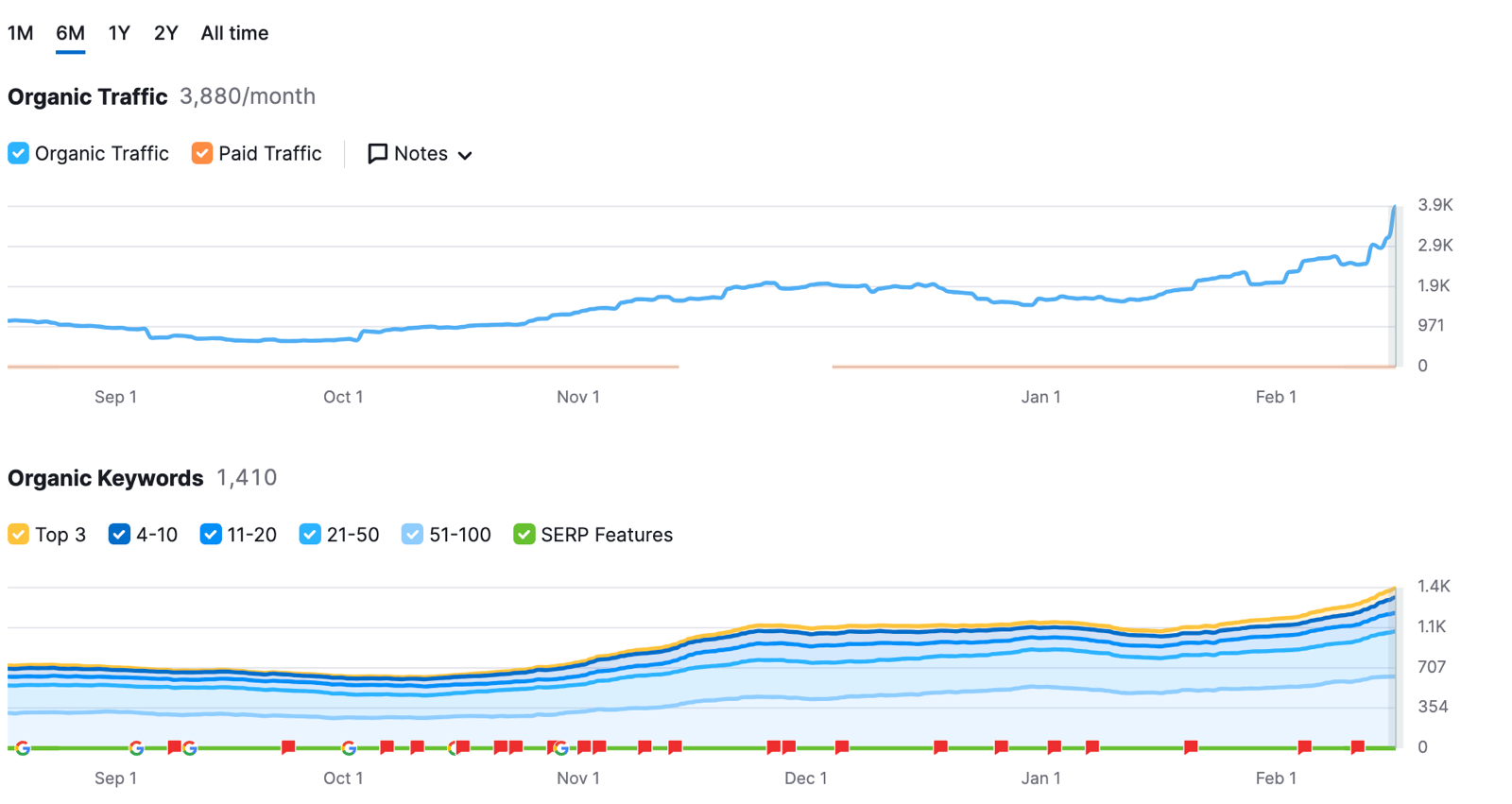
Organic traffic roughly doubled: a 100% boost, about 2× organic visits, consistent with the growth arc from roughly 1.9K monthly organic visits into the high-3K range.
Organic keyword coverage expanded in parallel, with more terms moving into stronger ranking bands as architecture, content, and on-page systems took hold.
Worth being precise. Web development, SEO, and branding ran inside the same engagement window. Isolating any single input cleanly would overclaim what the instrumentation of the time could prove. The honest read is multi-input: search strategy was the spine, and site architecture, content depth, performance, and brand execution rode the same machine. What matters is the outcome the machine produced.