
The opportunity
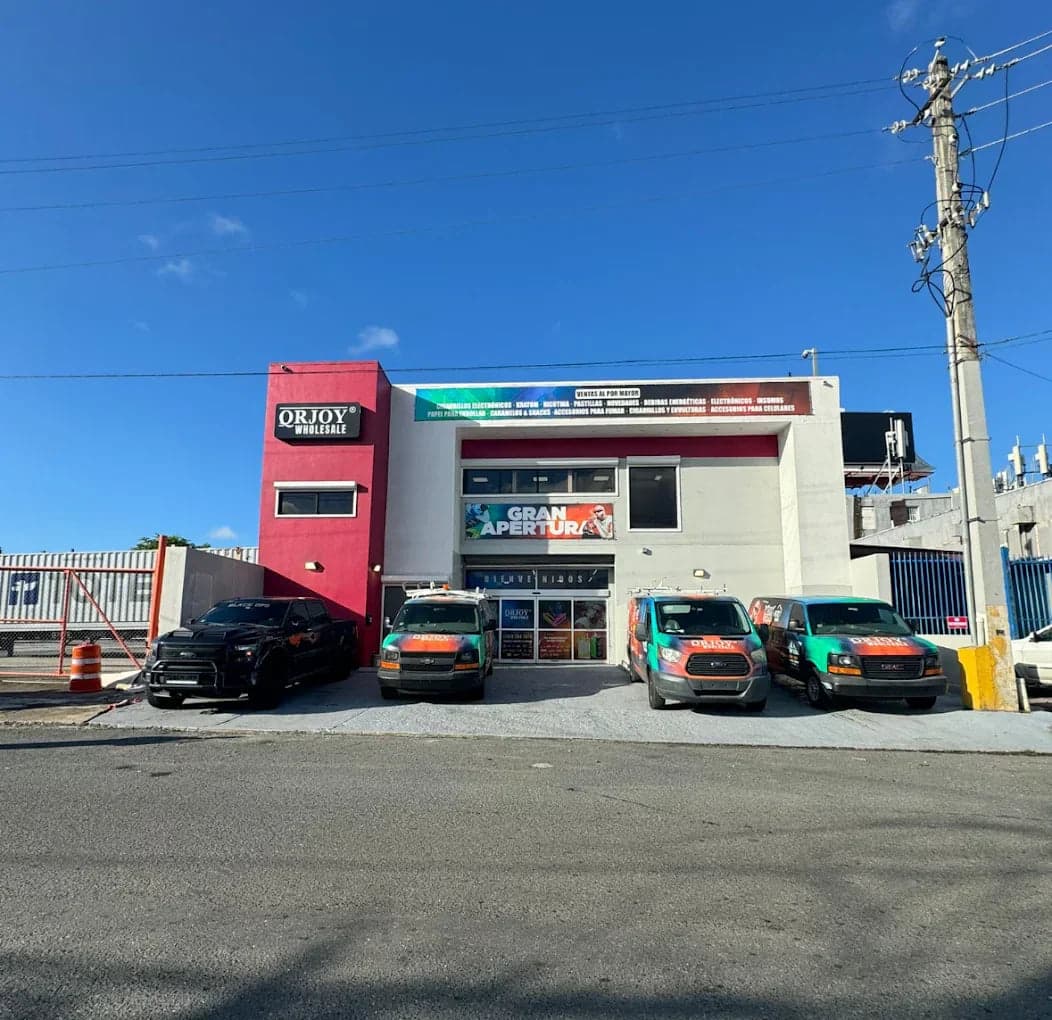
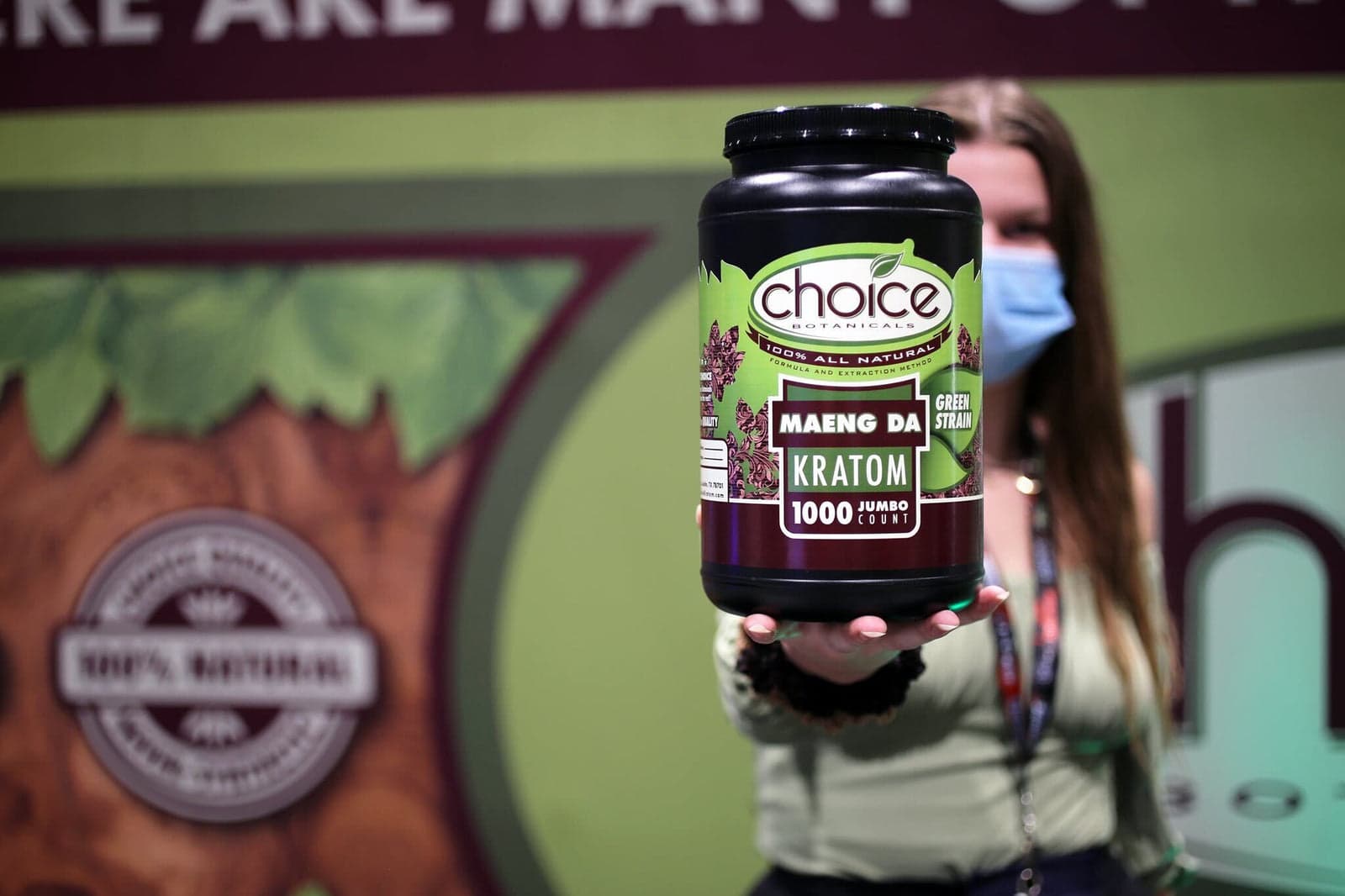
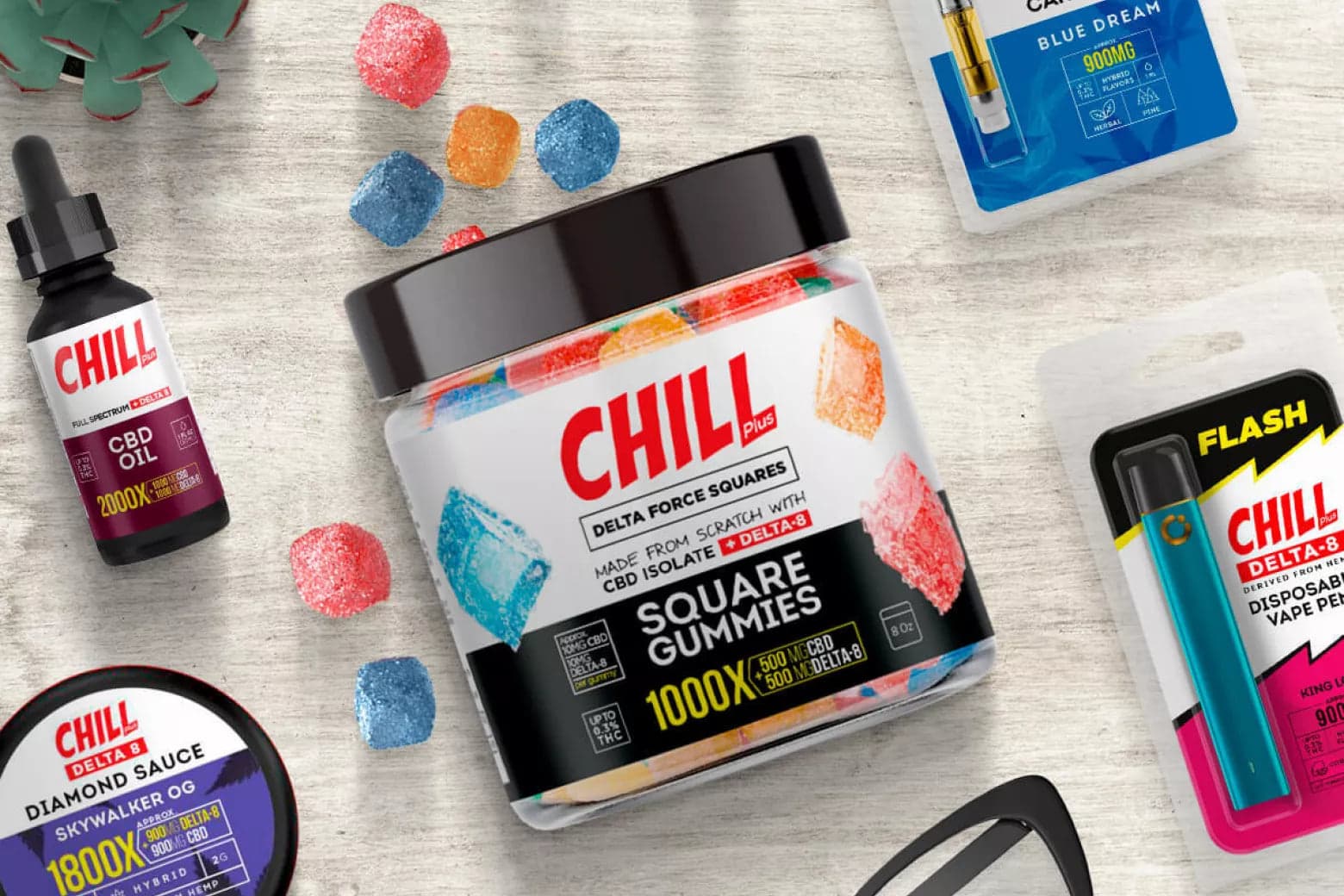
Diamond CBD sat inside a multi-brand universe: diamondcbd.com, cbdmall.com, and chillclouds.com, under the Chill Brands umbrella. Product demand was real. What the business needed was search and marketing infrastructure that could carry that demand without treating every property like a one-off campaign.
In regulated wellness categories, paid alone is expensive and fragile. Organic visibility has to hold. Site architecture has to pass equity on purpose. Content has to build topical authority instead of filling a calendar. Creative and brand work have to ship to a standard the whole org can repeat.
That is a systems problem, not a channel problem. The engagement was built that way.
Before
- Properties treated as one-off campaigns
- Paid carrying too much fragile demand
- Content without a clear authority spine
- Creative quality depending on heroes
After
- Portfolio roles across Chill Brands sites
- Organic as durable acquisition infrastructure
- Cornerstones, pruning, and link flow on purpose
- SOPs and brand standards the org can repeat
Search as go-to-market infrastructure
We treated SEO as go-to-market engineering, not as a side report.
Keyword research and competitive analysis defined where the brands could win now versus where authority still needed to be earned. On-page systems, content optimization, and link building ran as a continuous loop: target, publish, earn, measure, prune. Weak pages got cut. Cornerstone pages got built. Link flow and page speed were treated as revenue infrastructure, not polish.
Monitoring and reporting sat on the same layer as the work. The question was never "did we publish." It was whether organic demand was compounding into revenue the business could trust.
Multi-brand architecture across the Chill Brands universe
Running one brand well is a playbook. Running several related properties without cannibalizing equity or diluting focus is an operating system.
We engineered SEO and marketing end to end across the Diamond CBD / Chill Brands set so each site had a clear role in the demand map. Shared standards where the brands needed consistency. Separated targeting where they needed distinct SERP footprints. The goal was compounding discovery across the portfolio, not isolated traffic spikes on a single URL.
Content systems and topical authority
Content was not a volume contest. It was an authority build.
We expanded coverage around the topics that mattered for purchase intent, pruned what no longer earned its place, and structured cornerstone pages so related content reinforced the same competitive clusters. Personalized on-page work tightened titles, internal links, and page experience so crawlers and buyers both got a cleaner path.
That discipline is what turned search into a durable acquisition channel instead of a content treadmill.
SOPs that scale the org
Growth breaks when every asset depends on a hero operator.
We institutionalized SOPs and creative standards so product, design, content, and media teams could ship against the same quality bar. Branding systems and creative rules lived next to the SEO and paid workflows, not in a separate brand deck that nobody opened under deadline.
The point of standards is speed without entropy. When the org can produce to a shared bar, the system keeps compounding even as volume rises.
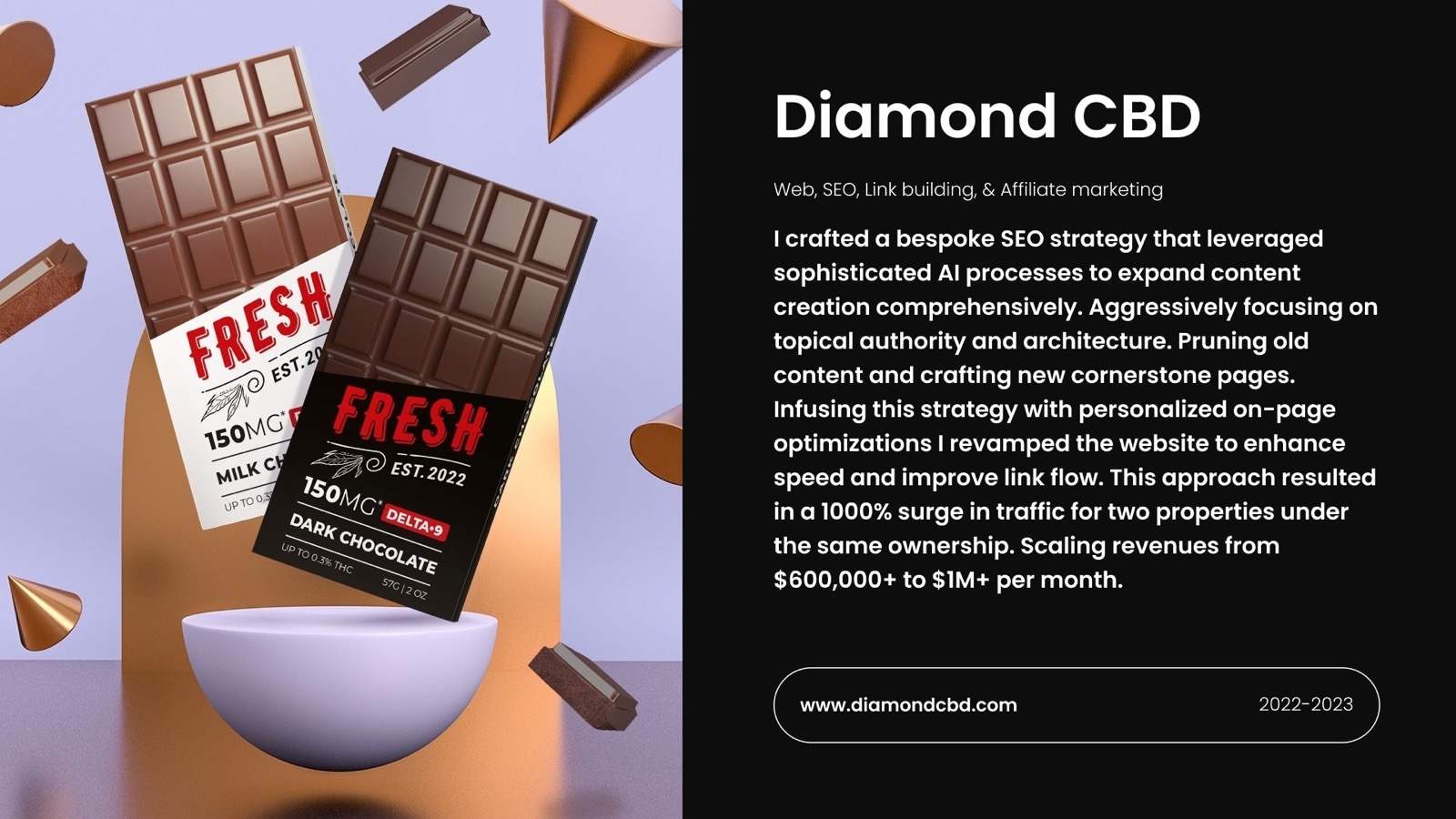
Seven-figure months are not a campaign trophy. They are what happens when discovery, creative production, and measurement share the same operating system.
Paid media and web on the same spine
PPC and web development were not bolted on after search "worked." They sat on the same measurement and creative spine.
Paid acquisition had to learn from what organic was already proving about intent. The storefronts had to load, convert, and pass equity in ways that made both channels more efficient. Marketing across the brands pulled from one operating model instead of three disconnected calendars.
What it produced
Monthly revenue moved from roughly $600K to over $1M.
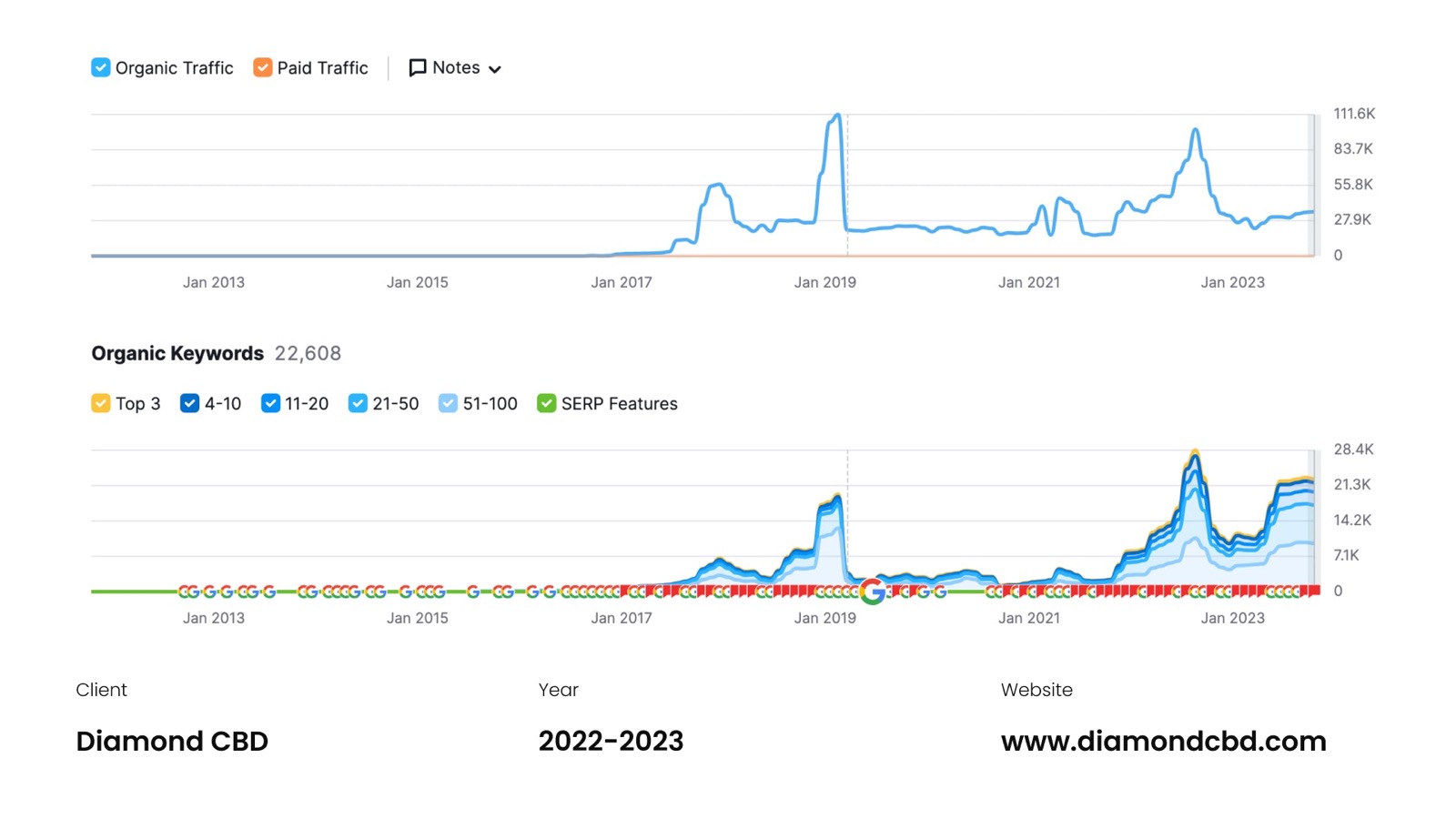
Organic traffic on internal projects rose about 1000%, a roughly 10× lift. Organic search enabled more than $2M in revenue across the work.
Worth being precise about how to read those numbers. SEO, web, paid, branding, and operational standards all ran inside the same engagement window. Isolating any single input cleanly would overclaim what the instrumentation of the time could prove. The honest read is multi-input: the search system was the spine, and paid, web, and brand execution rode the same machine. What matters is the outcome the machine produced at scale.